

Introduction
The “Year of the 50th” (2021) was more than a national anniversary; it was a profound, year-long conversation between the past, present, and future of the United Arab Emirates. For the nation’s youth, who have only known a UAE of prosperity and global influence, this milestone served as a critical portal to understanding the sacrifice, vision, and sheer audacity that forged their nation from seven separate emirates. It was a deliberate and powerful national project designed to ensure that a generation born into modernity could forge a deep, emotional connection with its desert roots and the foundational journey of its union.
History
The context of the “Year of the 50th” is the unprecedented speed of the UAE’s transformation. The elders who lived through the pre-union era—the time of pearling, limited resources, and British protectorates—are a living, but dwindling, library of memory. For youth, stories of hardship can feel like ancient history, disconnected from the reality of a nation boasting the world’s tallest building and a Mars mission. The “Year of the 50th” was conceived to bridge this generational gap. It was not just about celebrating achievements, but about contextualizing them, tracing a direct line from the desert truces signed in the early 20th century to the cosmopolitan powerhouse of the 21st.
Key Features
The connection forged during this period was facilitated by several key initiatives:
- Storytelling and Oral History Projects: Nationwide campaigns encouraged grandparents and elders to share their stories with the youth. These were documented through digital archives, books, and social media campaigns, making personal narratives a central part of the national narrative.
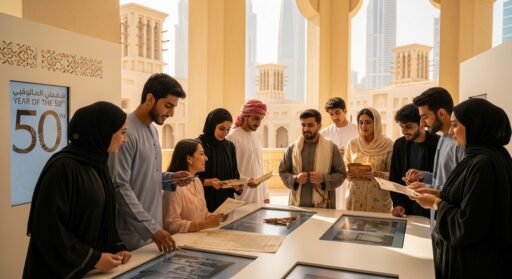
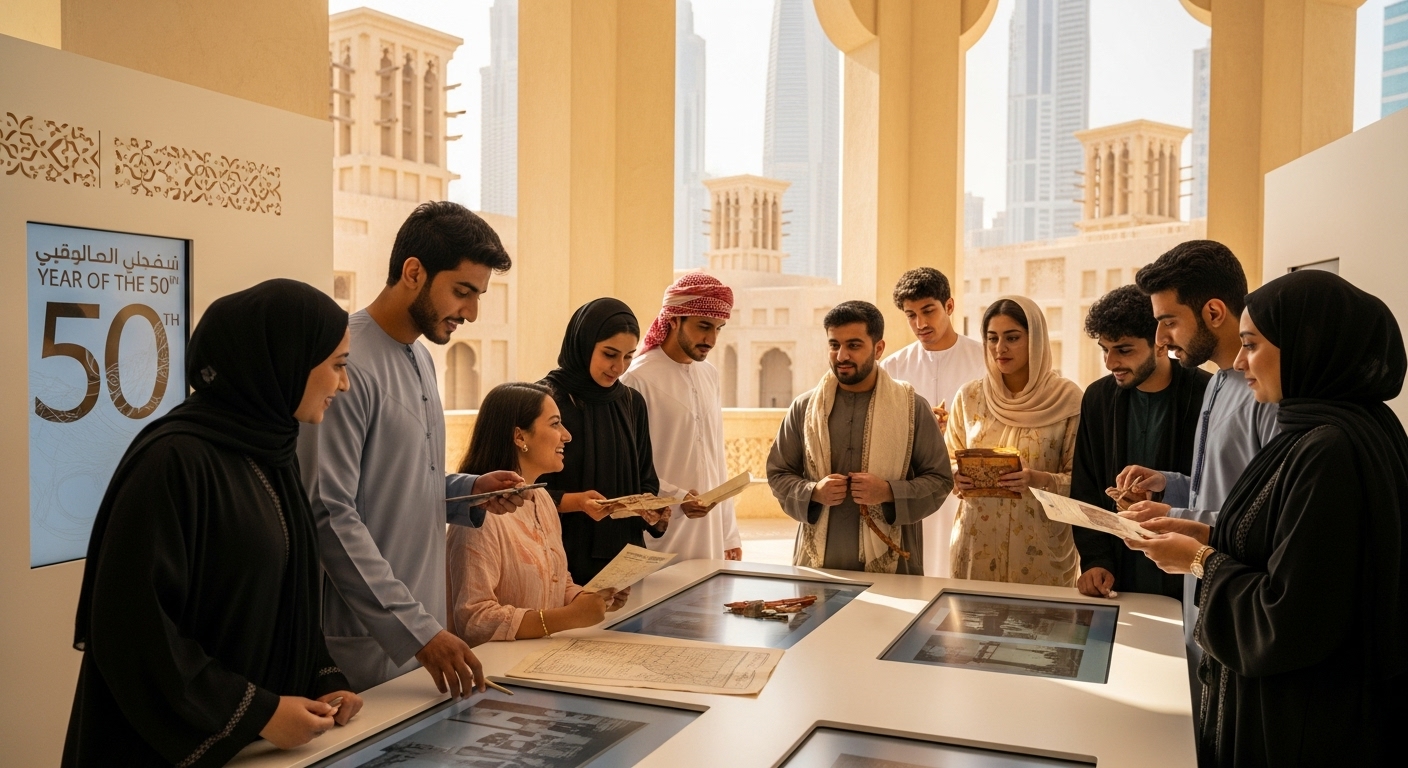
- Immersive Heritage Experiences: Beyond museum visits, there were reenactments, “back to the roots” desert camps, and interactive exhibitions that allowed youth to experience, even fleetingly, the challenges of Bedouin life, the skill of dhow sailing, and the communal spirit of the majlis.
- Artistic and Cultural Commissions: Young Emirati artists, filmmakers, and musicians were commissioned to create works reflecting on the past 50 years. This process forced them to research, interpret, and internalize history, creating a personal and creative connection to it.
- Focus on the Founders’ Values: The year placed a strong emphasis not just on the events of the past, but on the values of the founders—tolerance, perseverance, foresight, and consensus. This framed history as a source of guiding principles, not just a series of dates.
Cultural Significance
The “Year of the 50th” acted as a massive, collective rite of passage for the nation’s youth. It transformed history from an academic subject into an inherited identity. By understanding the scarcity of water, the absence of hospitals, and the fragility of the pearl-based economy, young Emiratis could fully appreciate the magnitude of their nation’s achievement. This fostered a powerful sense of shukr (gratitude) and responsibility. It shifted their perspective from being passive beneficiaries of the nation’s wealth to being active custodians of its hard-won legacy.
Modern Relevance
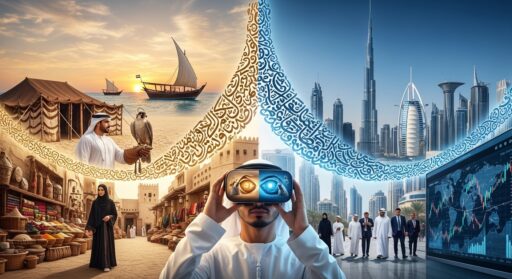
The lessons of the “Year of the 50th” are directly relevant to the challenges of the next 50 years. The UAE’s ambitious goals for 2071 require the same qualities of resilience, unity, and long-term vision that the founders demonstrated. By connecting youth with the “why” behind the union, the year equipped them with the moral and historical compass needed to navigate an uncertain future. It demonstrated that the nation’s strength lies in its unity, a lesson from 1971 that is just as critical in 2071. This deepened historical consciousness is a strategic asset, ensuring that the drive for AI, space exploration, and a green economy remains grounded in a uniquely Emirati ethos.
Conclusion
The “Year of the 50th” was a masterclass in nation-building for the digital age. It successfully provided a generation at risk of historical dislocation with a tangible link to its origin story. The connection forged is not one of nostalgia, but of inspiration. The youth of the UAE now look back not to live in the past, but to draw strength from it. They see in the faces of Sheikh Zayed and the other founders not distant figures in a textbook, but relatable leaders who dared to imagine the impossible—a lesson that empowers them to dream even bigger for the next half-century.